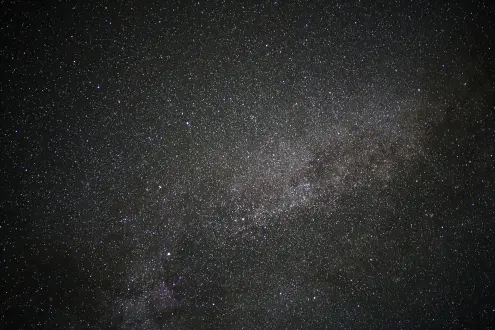
Astrophysics is a branch of astronomy that studies the physical properties and processes of celestial objects and phenomena. It combines physics and chemistry to explore stars, planets, galaxies, black holes, and the universe. Astrophysicists use observational and theoretical methods to understand cosmic phenomena, matter, energy, and the universe's structure and evolution, covering topics like star life cycles, galaxy behavior, dark matter, dark energy, and the universe's origins and fate.
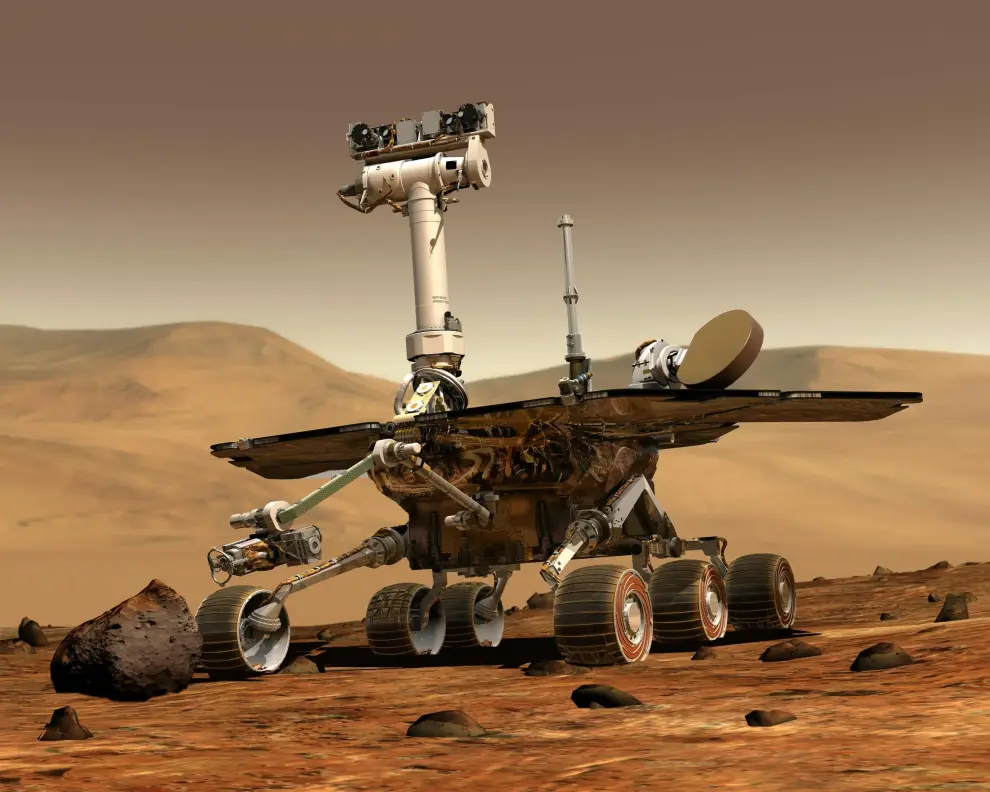
Space missions are complex and highly coordinated efforts aimed at exploring outer space and conducting scientific research beyond Earth’s atmosphere. They involve sending spacecraft, satellites, or probes to gather data, perform experiments, or achieve specific objectives.
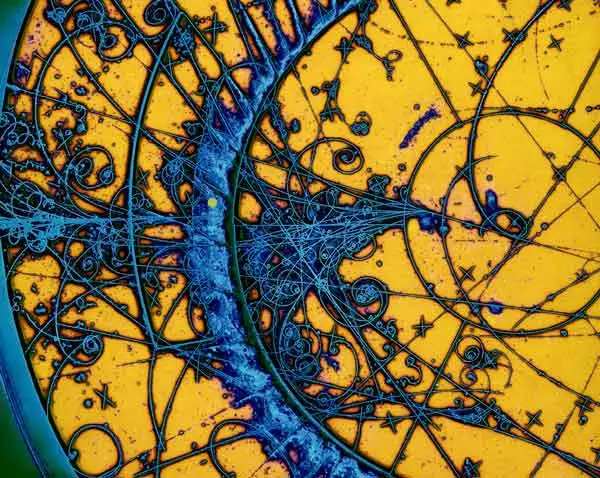
Particle physics is a branch of physics that studies the fundamental constituents of matter and radiation, and the interactions between them. It aims to understand the most basic building blocks of the universe and the forces that govern their behavior.
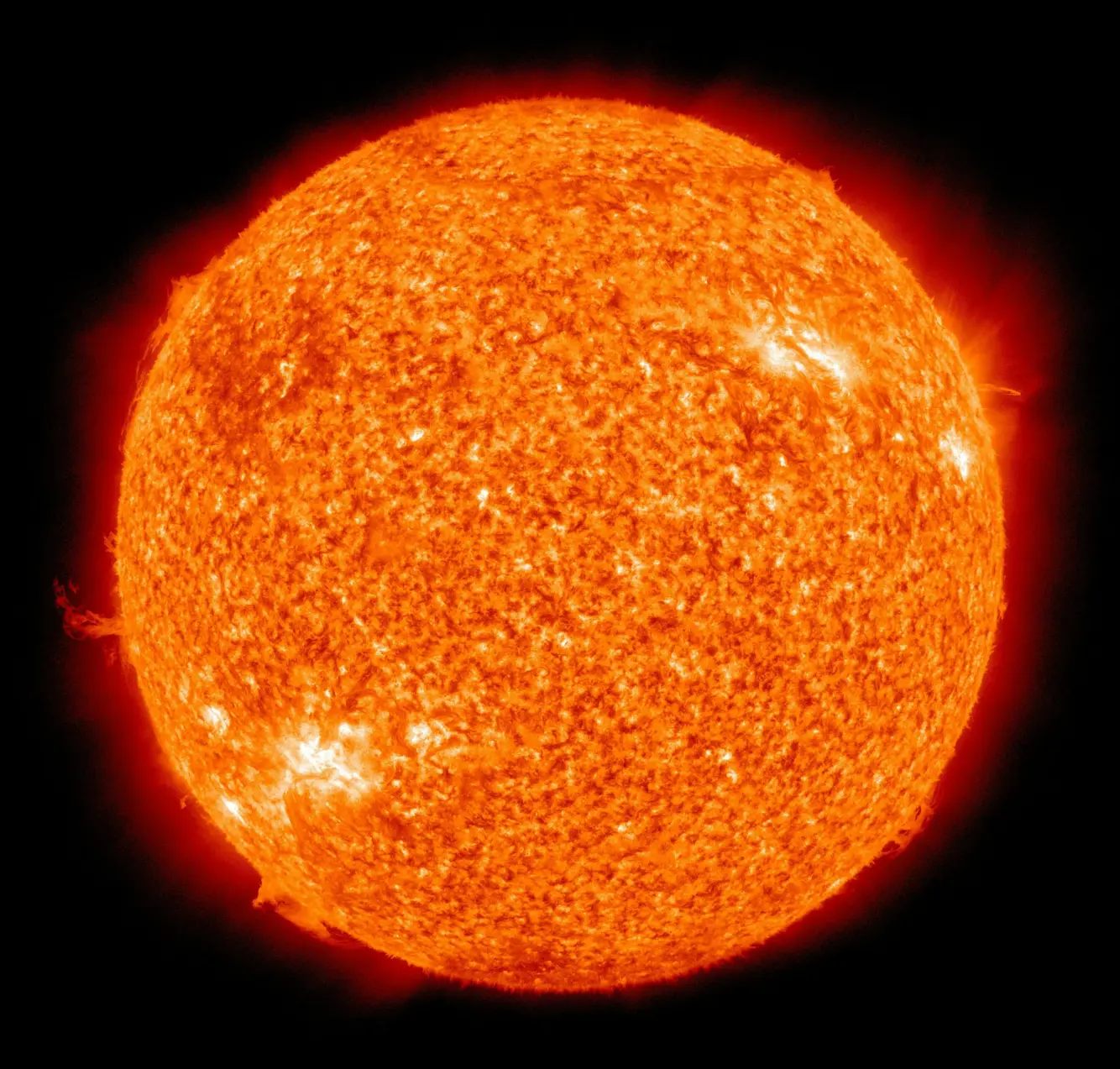
Solar storms, also known as space weather events, are disturbances on the Sun that can have significant effects on the solar system, including Earth. These storms are primarily caused by solar activity such as solar flares and coronal mass ejections (CMEs).